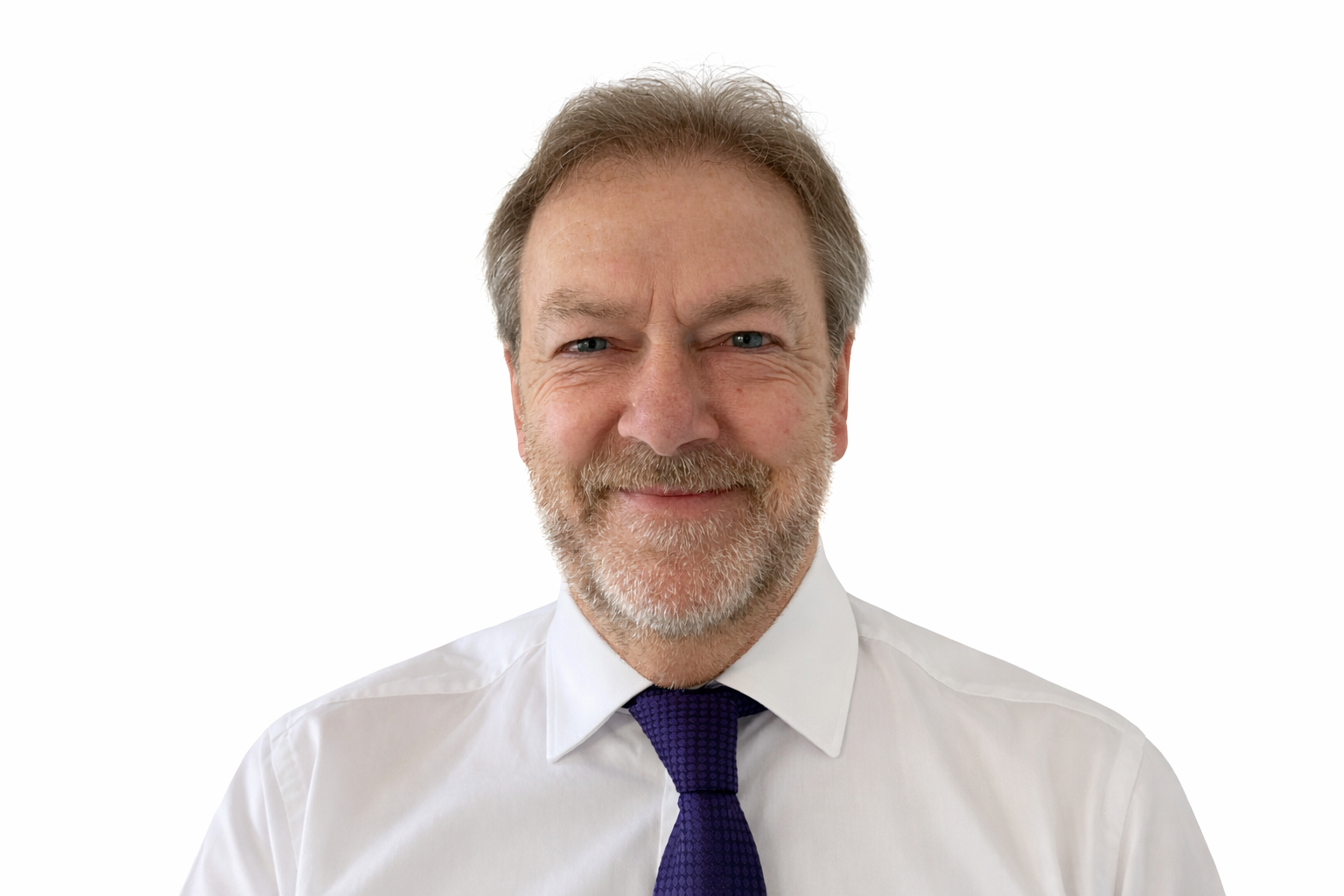
Professor Sir Louis Appleby becomes AMS Fellow
The Academy of Medical Sciences has elected Professor Sir Louis Appleby CBE to its prestigious Fellowship, it has been announced today (Thursday 21 May 2026).
Professor of Psychiatry at the University of Manchester, he is one of 60 exceptional biomedical and health scientists, the latest cohort of Fellows have been recognised for their outstanding contributions to advancing medical science, through discovery research, translational work and the application of scientific knowledge in ways that deliver tangible benefits for patients and the wider public.
This year鈥檚 cohort reflects the Academy鈥檚 continued focus on evolving its Fellowship to be diverse, relevant and representative of the biomedical and health research community. Of the 60 new Fellows elected in 2026, 42% are women (25 Fellows) 鈥� the highest proportion ever elected in a single year.
The new Fellows are drawn from 28 institutions and represent eight nationalities, with representation from across the UK. The cohort includes three new Fellows from Wales, the first elected in four years, including the first Fellow ever from Bangor University, as well as the first new Fellow elected from Northern Ireland since 2021.
The new intake spans a wide range of sectors, disciplines and research pathways. It includes five new Fellows elected from industry, alongside recognition of expertise in traditionally under鈥憆epresented areas such as speech and language therapy, medical ethics, traumatic brain injury and the application of artificial intelligence in healthcare.
The Fellows elected this year join an esteemed Fellowship of over 1,500 researchers who are at the heart of the Academy鈥檚 work to nurture scientific talent and shape research and health policy in the UK and worldwide.
Professor Appleby was elected for his pioneering work in suicide prevention and mental health. An epidemiologist and psychiatrist, his research has brought new rigour to the study of suicide through innovative study designs that have demonstrated how targeted interventions can reduce suicide rates. His work has directly informed national policy, including the most recent suicide prevention strategy, and he has played a central role in advising the NHS and government on mental health for more than two decades.
He said: 鈥淚鈥檓 delighted to become a Fellow of the Academy. I see it as recognition of the field I work in - suicide prevention - which not long ago was seen as a difficult subject, as bereaved families can tell us. At a time when people are exposed to an overload of health information online, the Academy has a vital role in setting the standards of evidence on which the public can rely.鈥�
Professor Andrew Morris CBE FRSE PMedSci, President of the Academy of Medical Sciences: 鈥淚t is a privilege to welcome this outstanding new cohort to the Fellowship of the Academy of Medical Sciences. Each of our new Fellows has been recognised by their peers for exceptional achievement for the influence their work has had in advancing medical science and improving health.
鈥淭he diversity of disciplines represented this year reflects the richness of modern medical science and the value of collaboration across fields. At a time when health challenges are increasingly complex, the Academy鈥檚 Fellowship provides a trusted, independent platform for scientific leaders to work together, champion excellence, and help ensure research delivers real benefits for people and communities.鈥�
The new Fellows will be formally admitted to the Academy at a ceremony on Tuesday 30 June.